Gray Area Money: The Unofficial Guide to Getting Paid for Bootleg Remixes
Let's start with the honest version of this conversation: if you've made an unauthorized remix — a flip you didn't clear, a bootleg edit you dropped on SoundCloud without a license — you've technically infringed on someone's copyright. That's the legal reality, and no amount of creative framing changes it.
But here's the other honest truth: the bootleg remix economy is massive, it's been quietly operating for decades, and plenty of producers are generating real income from it. Not because they found a loophole, but because they understand how the system actually works in practice — which is messier, more negotiable, and more tolerant than the letter of the law suggests.
This isn't legal advice. But it is a practical breakdown of how the bootleg economy functions, where the real risks live, and how smart producers are navigating it.
Understanding What 'Unauthorized' Actually Means
An unauthorized remix — also called a bootleg edit, a flip, or an unofficial remix — is any version of a song that samples, interpolates, or is built from an existing recording without permission from the copyright holders. In most cases, that means two separate rights holders: the owner of the master recording (usually a label) and the owner of the underlying composition (usually a publisher or the songwriter directly).
To legally release a remix that uses samples from an existing track, you'd need clearance from both. That process can take months, cost thousands of dollars, and often ends in rejection for independent producers without leverage. Which is why most bootlegs skip the clearance process entirely.
The gray area isn't in the law — the law is pretty clear. The gray area is in enforcement. Whether your bootleg gets taken down, ignored, or even promoted depends on a web of factors: who owns the rights, how they've historically handled fan remixes, what platform you're on, and whether your version is making money in a way that competes with the original.
Platform Tolerance: Where Your Bootleg Is Actually Safe
Not all platforms treat unauthorized remixes the same way. Understanding the landscape is the first step to managing your exposure.
SoundCloud has historically been the most permissive major platform for bootleg remixes, largely because its Content ID system is less aggressive than YouTube's and because its culture is built around producer uploads. That said, rights holders can and do file takedowns, and high-profile bootlegs that generate significant plays are more likely to get flagged. SoundCloud's monetization features (fan subscriptions, direct support) technically work on bootleg content — until a takedown hits.
YouTube runs Content ID, which means most bootleg remixes that use recognizable samples will get flagged automatically. The track doesn't necessarily get taken down — often the rights holder chooses to monetize it instead, which means the ad revenue goes to them, not you. This is actually a common outcome that many producers don't realize: your video stays up, your audience grows, but the money goes elsewhere.
Bandcamp is more hands-off than the major streaming platforms, but selling unauthorized remixes for direct download creates clear commercial infringement — which is a different legal category than free streaming and carries more risk.
TikTok has an unusual relationship with bootleg edits. The platform's licensed music library creates a layer of protection for creators using it, but producers posting unauthorized remixes as original content are technically operating outside that protection. In practice, TikTok's enforcement is inconsistent, and many bootleg edits circulate freely on the platform for months before anyone acts.
Where the Real Money Lives
Here's the thing about the bootleg economy: the producers making meaningful income from it aren't usually doing it by selling the bootleg directly. They're using the bootleg as a calling card that generates income in adjacent ways.
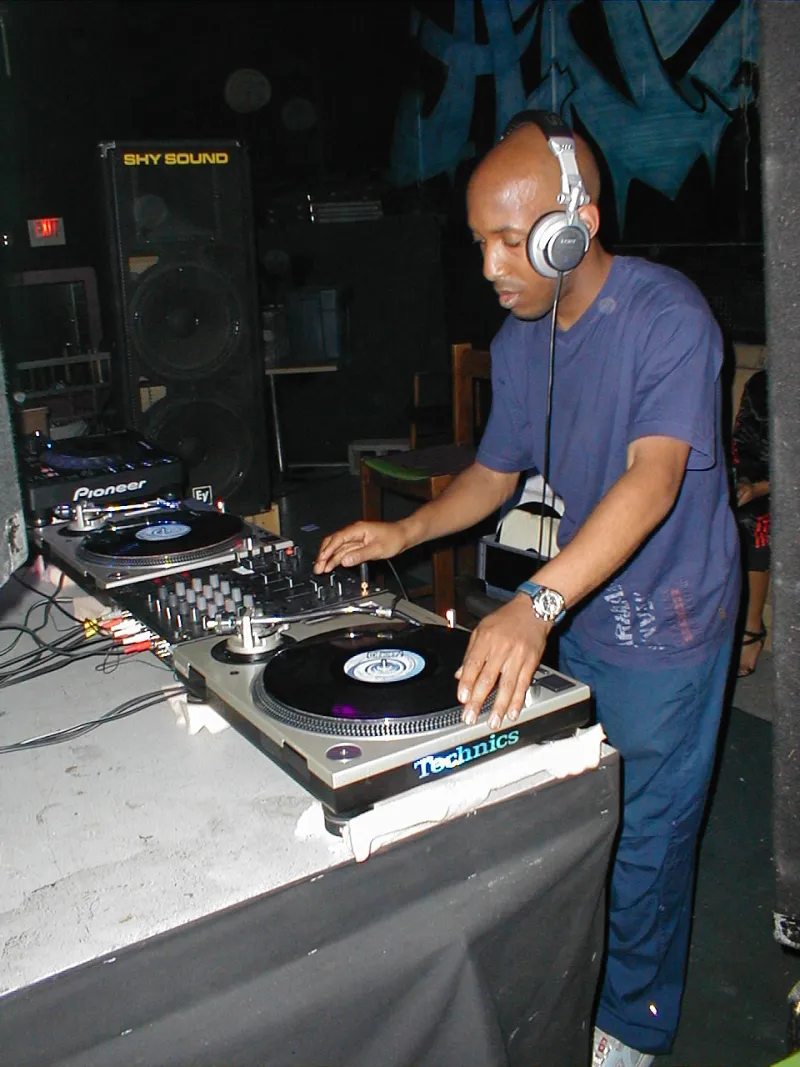
DJ sets and live performance. A bootleg remix that becomes a staple in DJ sets generates income through booking fees, not music sales. Nobody pays a license fee to play a remix in a club set — the venue handles that through blanket licensing. A producer whose bootleg edit becomes the version that DJs want to play is building real career value even if they never see a dime from the recording itself.
Remix contests. Major labels and artists regularly run official remix contests specifically to generate buzz and surface talent. These contests grant temporary, limited licenses to use the stems for the contest submission. Winners often receive cash prizes, official release consideration, and direct label relationships. This is the most legitimate on-ramp from bootleg culture into the official remix economy, and it's underused by independent producers.
Artist partnerships and direct licensing. Some producers have turned bootleg popularity into direct relationships with artists. The artist hears the flip, likes it, reaches out, and suddenly what was an unauthorized remix becomes an officially licensed one — sometimes with a sync deal or a formal release attached. This isn't common, but it happens often enough that it's a real strategy, not a fantasy.
Sync licensing for original-adjacent work. If your remix is distinct enough — different enough in arrangement, production, and feel from the original — there's an argument (though a legally complicated one) that it contains original creative elements worth licensing separately. Some music supervisors will license heavily transformed remixes for film and TV if the rights situation can be clarified. This is deep gray area territory that requires an entertainment attorney, but it's a real revenue path.
Patreon and direct fan support. Plenty of producers run Patreon pages where supporters pay for early access to projects, stems, and process content. A bootleg remix can live on SoundCloud for free while the producer generates income through the Patreon community around it. The remix isn't being sold; the relationship is.
How to Reduce Your Risk Without Killing Your Creativity
A few practical moves that don't require you to abandon the bootleg entirely:
Avoid monetizing directly. Free downloads and free streams are treated very differently than paid sales by most rights holders. A bootleg that's free is usually tolerated. A bootleg being sold on Beatport or Bandcamp is more likely to get a cease-and-desist.
Transform significantly. The more your remix diverges from the original — different tempo, heavily manipulated samples, original instrumentation layered in — the stronger the argument that your creative contribution is meaningful. This doesn't make it legal, but it does make it less likely to get flagged and more likely to be treated as a fan creation rather than a commercial competitor.
Stay in good standing with rights holders. Some labels have informal 'don't ask, don't sell' policies toward fan remixes. Others actively monitor and pursue them. Knowing the track record of the label whose catalog you're flipping is basic due diligence.
Have an exit strategy. If you're building a following on bootleg content, be aware that it can disappear overnight. A single DMCA sweep can wipe years of SoundCloud uploads. Back up your work. Diversify your platforms. And use the audience you're building to establish original work that you fully own.
The Long Game
The bootleg economy isn't going away. It's too embedded in DJ culture, too central to how producers develop their craft, and too valuable as a discovery mechanism for labels and artists to ever be fully stamped out.
But the producers who build lasting careers from it aren't the ones who stay in the gray area forever. They're the ones who use the bootleg as a launching pad — building an audience, demonstrating their sound, and then converting that momentum into licensed work, original releases, and direct artist relationships.
The gray area is a place to pass through, not a place to live. Know the rules well enough to navigate them, minimize your exposure, and keep your eyes on the door that leads to the legitimate side of the economy.
The flip that gets you noticed is valuable. But the career you build after that is what actually lasts.