Scroll, Sample, Repeat: How TikTok Creators Are Out-Remixing the Pros
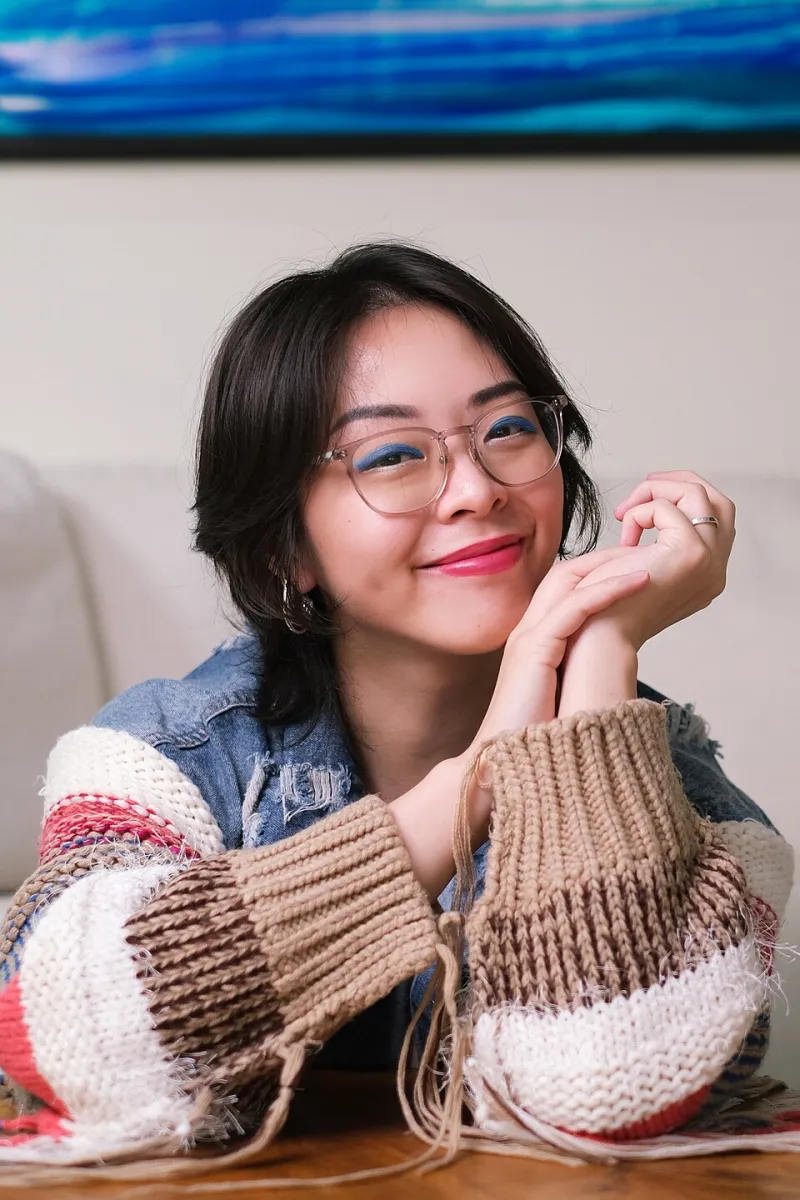
Photo: Zhiffy, CC0, via Wikimedia Commons
Nobody handed these kids a copy of Ableton and told them to get to work. No music theory classes. No hardware obsessions. No years spent digging through crates at a record shop in Brooklyn. TikTok's most viral audio architects learned their craft by necessity — smashing two songs together at 3 a.m. because the vibe demanded it, then watching the thing explode to a million views before breakfast.
And somewhere in a studio in Los Angeles, a traditional producer is taking notes.
The 15-Second Production School
Here's the thing about TikTok's audio ecosystem that most people outside of it completely miss: the platform is essentially a real-time remix laboratory. Creators aren't just picking a trending sound and lipsyncing over it. The most successful ones are layering instrumentals, chopping vocal hooks, pitch-shifting samples, and syncing transitions to frame-perfect visual cuts — all inside a mobile app, all under 60 seconds.
That kind of constraint is actually a brutal creative training ground. When you have 15 seconds to make someone feel something, every single element has to earn its place. There's no room for a slow build. No space for a three-minute intro that pays off eventually. You drop the hook, you nail the blend, or you lose the scroll.
What's wild is that this pressure has pushed a lot of TikTok creators into developing instincts that mirror what experienced producers spend years trying to nail — specifically, the ability to identify the emotional peak of a record and lead with it. That's not a beginner move. That's the whole game.
Mashup Culture Gets a Platform-Native Upgrade
Mashups aren't new. Girl Talk was doing it on stage in 2007. Danger Mouse dropped the Grey Album in 2004 and broke the internet before breaking the internet was even a phrase. But those projects required serious technical chops, dedicated software, and — let's be honest — a tolerance for legal ambiguity that not everyone was willing to live with.
TikTok democratized the blend. The platform's built-in audio tools, combined with third-party apps like Splice, Voloco, and even GarageBand on mobile, gave a whole generation the ability to execute ideas that previously required a studio setup. The barrier to entry didn't just lower — it basically disappeared.
What emerged from that accessibility isn't a watered-down version of remix culture. It's a faster, more instinctive, trend-responsive version of it. TikTok creators are blending hyperpop with country, chopping R&B acapellas over Jersey Club beats, layering Y2K pop hooks over lo-fi production — and doing it weeks or months before any traditional producer would think to pitch that crossover to a label.
Why Labels Are Now Scouting the For You Page
Major labels spent years treating TikTok like a marketing channel. Post a clip, generate streams, move on. But something shifted. A&R departments started noticing that some of the most interesting sonic combinations were originating on the platform — not being imported to it.
Creators like JVKE built entire careers by essentially producing their own viral moments, using TikTok as both the recording booth and the release strategy. The platform didn't just amplify their music — it was the proof of concept. By the time a label came calling, the audience validation was already built in.
Now you've got scouts actively combing through trending audio sections, looking not just for artists but for the people engineering the audio behind viral trends. The person who figured out how to blend a Sabrina Carpenter hook over a flipped soul sample and made it hit three weeks in a row? That's not a coincidence. That's a producer with ears, even if they've never touched a DAW in their life.
The Technical Crossover Is More Real Than You Think
Dismissing TikTok remixers as amateurs is an easy take, but it's also increasingly wrong. Spend some time in the comments sections of the most popular audio trend videos and you'll find creators debating BPM matching, key compatibility, and sidechain compression — not by those exact names necessarily, but by feel and function.
The crossover between platform-native audio skills and traditional production is accelerating. Producers who grew up on TikTok are now moving into full DAW setups with a fundamentally different creative philosophy. They're not starting from a blank session and building up. They're starting from the hook, the blend, the moment — and working backward. That's a different approach to songwriting and arrangement, and it's producing records that sound distinct from anything coming out of conventional production pipelines.
Some traditional producers are actually hiring TikTok creators as creative consultants specifically because of this. Not to teach them how to use plugins, but to help them identify where the emotional peak of a record lives before the arrangement even starts.
What Old-School Producers Can Actually Learn Here
This isn't a takedown of traditional production. The technical depth that comes from years of working in a proper studio environment is still irreplaceable — the mix clarity, the arrangement sophistication, the understanding of dynamics across a full-length project. None of that goes away.
But there's something genuinely worth studying in how TikTok creators approach the edit. The relentless focus on the immediate emotional hook. The willingness to blend genres without asking for permission. The instinct to test an idea in public immediately rather than sitting on it for months. That's a creative posture that a lot of traditional producers could stand to absorb.
Remix culture has always been about taking what exists and finding what's hiding inside it. TikTok just handed that philosophy to 50 million people with smartphones and told them to go for it. Some of them are finding things in those records that nobody else heard. That's worth paying attention to.
The Remix Playbook Is Getting Rewritten in Real Time
The line between a TikTok creator and a legitimate remix producer is blurring fast, and the music industry is still catching up to what that means. Talent pipelines are shifting. The definition of production credits is getting murkier. And the question of who actually shapes a song's cultural moment — the artist who recorded it, the producer who built the beat, or the creator who flipped it into a 15-second sensation — is getting harder to answer cleanly.
What's clear is that the next wave of remix talent isn't waiting around for studio access or label co-signs. They're building the skills, the audience, and the catalog simultaneously — one scroll at a time.
The beat got flipped. The script got remixed. And the mix? It belongs to whoever's got the best ears, regardless of where they learned to use them.