Controlled Chaos: How Producers Are Smashing Genres Together to Build Tomorrow's Hits
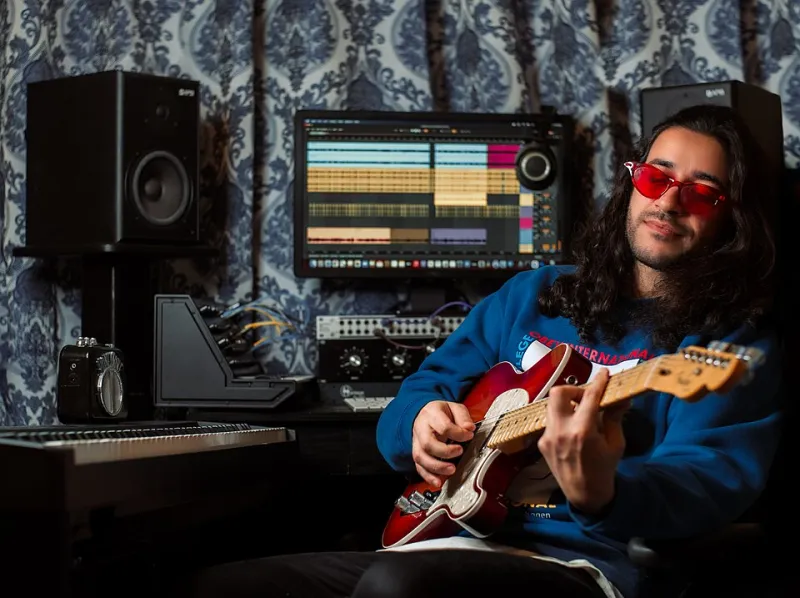
Photo: Matias Rengel, CC BY 2.0, via Wikimedia Commons
There's a moment in the studio that every genre-bending producer knows well. You've got a lush, swirling house melody sitting on top of a hard 808, and something in your gut says it shouldn't work. The tempos don't match the vibe. The textures feel like they came from different planets. And then you hit play — and it absolutely slaps.
That feeling? That's the whole point.
A growing wave of US producers is leaning hard into what some are calling the "collage method" — a deliberate approach to layering musical elements that have no business being in the same room together. Trap percussion under ambient pads. Drill basslines under jazz chord progressions. Hyperpop synths riding a reggaeton groove. The results are the kind of tracks that make streaming algorithms nervous and listeners obsessed.
Why Genre Rules Were Made to Be Broken
For a long time, genre was a guardrail. Radio formats, playlist curators, and label A&R reps all wanted music that fit cleanly into a defined lane. House was house. Trap was trap. You knew what you were getting.
But streaming changed the game in a big way. When listeners can build playlists that jump from UK drill to lo-fi jazz to hyperpop in a single session, their ears get trained for contrast. They stop needing sonic consistency and start craving surprise. Producers who figured that out early have been cashing in ever since.
The collage approach isn't about being random, though. That's the part people miss. Throwing incompatible elements together without structure just sounds like a mess. The producers who are actually making this work have a clear creative logic — they're just applying it to unexpected combinations.
The Technical Side of Making It Stick
So how do you actually blend trap and ambient without the whole thing falling apart? The short answer is: carefully, and with a strong point of view about what the emotional core of the track is.
One of the first decisions producers face is tempo. Trap typically lives in the 130–145 BPM range, while deep house and ambient work often sits much lower. Some producers split the difference and find a tempo that lets both elements breathe — around 120 BPM is a sweet spot that's shown up in a lot of successful genre-blends over the past few years. Others use half-time feels to make a faster groove read as slower, giving ambient textures room to sit without sounding rushed.
Key and harmonic context matter just as much. When you're pulling a melody from one genre world and dropping it into another's rhythmic structure, the harmonic language has to serve as a kind of translator. Minor key progressions tend to be the most flexible — they hold emotional weight that can read as aggressive, melancholic, or euphoric depending on what's happening rhythmically underneath them.
Texture layering is where a lot of producers get it wrong. The instinct is to pile on — more synths, more samples, more sonic detail — but the best genre-collage tracks are actually pretty disciplined about space. If your 808 is doing a lot of work in the low end, your ambient pads need to live in the mids and highs and stay out of the way. The contrast between hard and soft elements is what creates the tension that makes people keep listening.
The "Anchor Element" Approach
A concept that keeps coming up when you talk to producers working in this space is the idea of an anchor element — one sonic component that stays consistent and gives the listener something to hold onto while everything else gets weird.
In practice, this might mean keeping the drum pattern traditional and familiar while the melodic content goes somewhere unexpected. Or it might mean a recognizable vocal sample that grounds the track emotionally even as the production underneath it shifts and morphs. The anchor is what separates "interesting" from "confusing."
Think about how some of the most streamed tracks of the past few years have operated. You'll hear a verse that sounds like it belongs to one genre, a chorus that belongs to another, and a bridge that could almost be a third. But there's always something — a rhythmic motif, a recurring synth tone, a vocal delivery style — that ties the whole thing together and makes it feel like a song rather than a playlist.
Avoiding the Gimmick Trap
The biggest risk with genre collage is coming across as a novelty act. A track that exists purely to show off how many genres it can reference isn't giving listeners a reason to come back. It's a trick, and tricks get old fast.
The producers who avoid this pitfall are the ones who start from an emotional place rather than a technical one. They're not asking "what two genres haven't been combined yet?" — they're asking "what feeling am I trying to create, and what tools from any genre can help me get there?"
That reframe matters. It means the genre-blending is in service of something real, not just for the sake of being different. And listeners, even if they can't articulate why, can feel that difference.
Reference tracks are a useful tool here. Before starting a genre-collage project, some producers build a playlist of songs that feel like what they're going for, even if none of them sound exactly like it. The playlist becomes a mood board for the emotional target, and it helps keep the production decisions grounded even when the sonic palette gets adventurous.
The Streaming Reality
Here's the practical upside of the collage approach for independent producers: genre-blending tracks tend to land on more playlists. A track that legitimately fits in both a "dark electronic" playlist and a "hip-hop production" playlist is getting twice the algorithmic surface area. In a streaming economy where playlist placement is everything, that's a real competitive advantage.
There's also a cultural moment happening right now where genre fluidity is genuinely celebrated rather than penalized. The artists blowing up on TikTok and getting SoundCloud runs aren't the ones playing it safe — they're the ones who sound like nothing else in the algorithm's recent memory.
The Remix Connection
It's worth noting that remix culture is a big part of what normalized this approach in the first place. When producers started flipping records and dropping genres into entirely new contexts — taking a soul sample and putting it over a drill beat, or building a club edit around a country vocal — they were already doing the collage work. The official remix credits just made it visible.
Now that same creative logic is baked into original production from the jump. Producers aren't waiting for stems to experiment with genre collision — they're building the collision in from the start.
That's the real shift. The remix mindset has become the production mindset. And if the tracks coming out of it are any indication, the results are only going to get more interesting from here.