Voice of Gold: How Smart Producers Are Building Careers One Vocal Stem at a Time

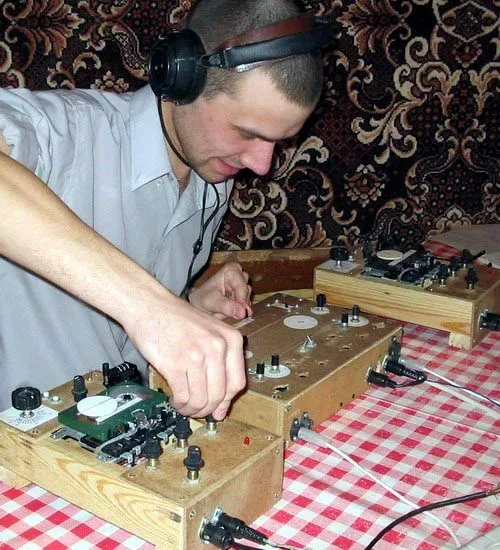
Photo by Photo by Oleg Ivanov on Unsplash on Unsplash
There's a moment every producer knows. You're deep in a session, your beat is locked in, the groove is undeniable — and then you drop in a vocal and the whole thing just lifts. That's not magic. That's the right acapella meeting the right track. And right now, in 2024, the hunt for that perfect vocal is driving an entire underground economy that's reshaping how bedroom producers build careers, generate income, and get their music heard.
Welcome to the acapella gold rush. Grab a shovel.
Why Vocal Stems Are Worth More Than Ever
For a long time, isolated vocals were a scarcity. You'd find a leaked acapella on a shady forum, cross your fingers that nobody came after you legally, and quietly upload your remix hoping the algorithm would do the rest. That era isn't totally dead, but it's getting crowded out by something far more interesting — a legitimate, thriving marketplace for vocal stems where producers and artists are both winning.
The math here isn't complicated. Streaming has flattened traditional revenue for a lot of mid-tier and emerging artists. Meanwhile, producers are hungry for distinctive, professional-quality vocals that can elevate their tracks above the sea of sample-pack-sounding releases flooding Spotify every Friday. When supply meets demand with a licensing framework around it, you get an economy. And that economy is humming.
Platforms like Splice, Voclio, and even BeatStars have expanded their vocal offerings dramatically over the past few years. Artists — particularly independent ones — are increasingly willing to license their vocal performances because it opens up a revenue stream they'd otherwise leave on the table. A rising R&B singer in Atlanta might record an acapella session on a Tuesday and have producers in Chicago, Portland, and New York flipping it into finished tracks by the weekend.
The Licensing Landscape: What You Actually Need to Know
Here's where a lot of producers trip up: they find a vocal they love, flip it into something incredible, post it online, and then get hit with a takedown — or worse, a legal notice. The excitement of the creative process can make the paperwork feel like a buzzkill, but understanding how vocal licensing works is genuinely non-negotiable if you want to build a sustainable career.
When you license a vocal stem through a legitimate platform, you're typically acquiring what's called a sync license or a master use license — sometimes both. The distinction matters. The master covers the actual recorded performance. The sync license covers the underlying composition — the melody and lyrics. If an artist wrote their own song and recorded it themselves, they may control both. If they recorded someone else's song, you're dealing with multiple rights holders.
Platforms like Splice operate under a royalty-free model for their sample content, meaning once you've paid your subscription, you can use those stems in commercial releases without additional fees. But read the fine print. Some platforms restrict how many times a stem can be used commercially, or require credit in release metadata. Others, like Voclio, connect producers directly with artists for custom or exclusive stem deals — which can run anywhere from a flat fee of $50 to several thousand dollars depending on the artist's profile.
For producers looking to remix established artists legally, the path runs through the label. Most major labels have remix submission portals or work through services like Indaba Music or direct A&R contacts. It's slower, less spontaneous, and sometimes you submit and hear nothing back. But when it works, it works with full legal backing — and occasionally, official promotional support.
Success Stories From the Stem Economy
The producers who are really winning in this space aren't just good beatmakers. They're strategic curators who understand that finding the right vocal is half the craft.
Take producers like Kaytranada, who built much of his early reputation through unofficial remixes that showcased his ability to reimagine existing vocals in completely new sonic contexts. Or consider the wave of producers who've come up through SoundCloud's remix culture, using officially released acapellas from artists like Chance the Rapper (who made several stems available) to demonstrate their production chops to labels and management companies.
On the indie side, producers working through platforms like BeatStars have started packaging their beats with licensed vocal stems as full "song kits" — essentially selling a ready-to-release track to artists who want to put their own spin on it. It's a remix economy running in both directions, and the producers setting this up are generating recurring income streams that don't depend on going viral.
Ethical Sourcing: The Conversation the Community Needs to Have
Let's be real for a second. Not every acapella circulating in producer communities is there legally. Leaked vocals from unreleased projects, AI-separated stems ripped from official releases without authorization, and bootleg acapellas from decades-old tracks all exist in a gray zone that a lot of producers quietly navigate.
The ethics here are worth sitting with. When you use a leaked vocal without permission, you're not just taking a legal risk — you're cutting an artist out of a revenue opportunity they may genuinely need. Independent vocalists, in particular, often have limited income streams. The acapella economy only stays healthy if the artists participating in it feel like it's worth their while.
That said, context matters. Unofficial remixes posted for free with full artist credit occupy a different ethical space than someone selling a track built on a stolen vocal. The community has generally understood this distinction, even if the law doesn't always draw the same line.
The cleaner path — and increasingly the smarter business path — is to source vocals through legitimate channels, build relationships with artists directly, and treat those relationships as long-term creative partnerships rather than one-time transactions.
Tips for Navigating the Acapella Economy Without Getting Burned
Start with what's officially available. Artists drop official acapellas more often than you'd think — check YouTube, SoundCloud, and artist socials around album release cycles. Many artists release stems specifically to encourage fan remixes.
Use platform licenses as your foundation. Splice, Loopmasters, and similar services offer professionally recorded vocals you can legally use commercially. Build your sound here first, then expand into custom deals as your budget grows.
Document everything. If you license a vocal directly from an artist, get the agreement in writing — even a simple email chain confirming the terms. This protects both of you.
Credit generously. Even when you're not legally required to credit a vocalist, doing so builds goodwill, helps the artist get discovered, and signals to the industry that you're someone worth working with.
Study royalty splits before you release. If you're releasing a track commercially that features a licensed vocal, understand how streaming royalties will be distributed. Platforms like DistroKid and TuneCore have tools to help you split revenue automatically — use them.
The Flip Side
Here's the thing about the acapella gold rush: the gold is real, but so is the competition. As more producers discover the power of a well-sourced vocal stem, the best ones get snatched up faster and the market for unique, exclusive acapellas gets more expensive.
The producers who'll come out ahead aren't necessarily the ones with the biggest budgets. They're the ones building genuine relationships with vocalists early — before those artists blow up — and creating a reputation as someone who handles business right. In the remix economy, your network is your net worth, and the best acapellas in the world won't save a producer who burns bridges.
Drop the beat. Source the vocal. Own the mix. Just make sure you've got the paperwork to back it up.