Digging for Gold: How Producers Are Turning Forgotten Catalog Cuts Into Viral Remix Moments
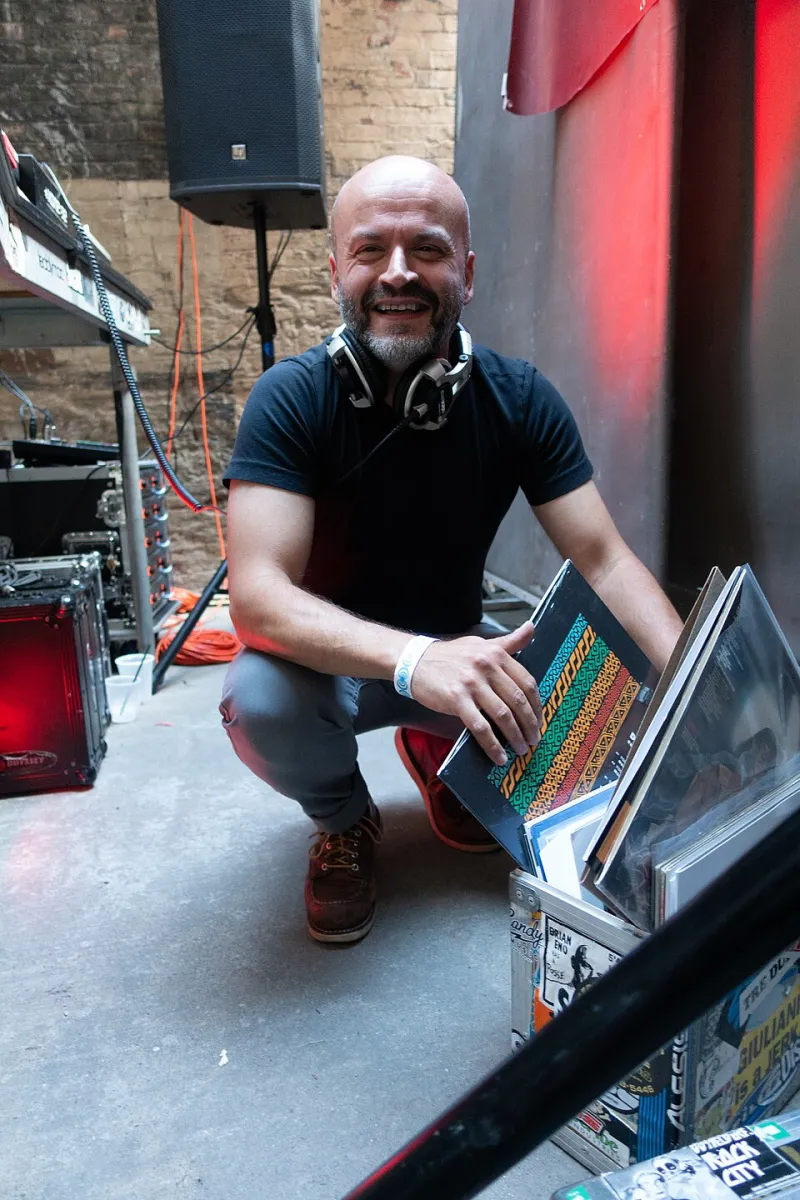
Photo: Deckblad, CC BY-SA 4.0, via Wikimedia Commons
Every producer on the planet has access to the same Top 40 catalog. Same Drake acapellas. Same Beyoncé stems floating around Discord servers. Same overworked source material getting flipped six thousand different ways every single weekend. So when a remix actually breaks through the noise these days, there's a decent chance it wasn't built on something obvious.
The producers making real moves in 2024 and beyond aren't just better at mixing — they're better at finding. They're going deep into forgotten corners of music history, pulling out B-sides that never got their moment, album cuts that got buried by a bad release cycle, and vault drops that major labels quietly uploaded to streaming services without a single press release. And then they're flipping those obscure gems into tracks that feel completely fresh because, for most listeners, they practically are.
This is the crate-dig remix strategy, and it's changing how serious producers think about source material.
Why Obscure Source Material Hits Different
There's a simple psychological reason this works: familiarity breeds indifference. When a listener has heard a vocal hook sampled seventeen times across different remixes, their brain has already filed it away. It doesn't spark anything new. But drop a melody or a vocal run they've never consciously processed before — even if it's technically forty years old — and suddenly everything feels alive again.
That's the magic of digging. You're not just finding a different track. You're finding a different emotional entry point for your audience.
Beyond the listener experience, there's a practical competitive advantage. If you're building a remix around a forgotten B-side from a cult soul record or an overlooked house track from a mid-90s Chicago label, you're not competing with fifty other producers who had the same idea last Tuesday. Your version gets to exist in its own lane.
The Modern Crate-Dig Toolkit
Old-school crate digging meant dusty record stores, weekend flea markets, and a lot of patience. That culture is still very much alive — and genuinely valuable — but today's producers are layering in digital tools that make the discovery process faster and way more targeted.
Music databases like Discogs and AllMusic remain foundational. Discogs in particular is a goldmine for tracing obscure pressings, regional releases, and catalog numbers that lead you to tracks that never made it onto major streaming platforms. Producers who know how to navigate Discogs like a research tool — cross-referencing labels, session musicians, and release dates — consistently find source material that algorithm-driven discovery simply can't surface.
Streaming platform deep cuts are more accessible than people realize. Spotify and Apple Music have quietly absorbed enormous back catalogs from legacy labels, including material that was never properly promoted on release. Sorting an artist's discography by least-played tracks rather than most popular ones is a low-tech but surprisingly effective strategy. The algorithm actively buries this stuff — which means it's wide open for a producer willing to do the manual scrolling.
AI-assisted discovery tools are the newer frontier. Platforms like Soundiiz, Musicovery, and various music recommendation engines built on machine learning can map sonic relationships between tracks in ways that human listeners miss entirely. Feed in a reference track with a specific texture or mood, and these tools can surface stylistically adjacent material from completely different eras and genres. A producer hunting for a specific kind of melancholic synth pad might get pointed toward an obscure European new wave record from 1983 that nobody in their circle has ever touched.
YouTube rabbit holes still deserve serious respect. The platform's recommendation engine, for all its flaws, has a tendency to lead dedicated listeners into genuinely strange and wonderful archival territory. Channels dedicated to rare soul, forgotten disco, and regional funk releases have built entire communities around exactly the kind of material that makes for killer sample sources.
Case Studies: When the Deep Cut Becomes the Hit
The proof is in the actual music. A few years back, a Brooklyn-based producer known in underground house circles built a track around a vocal loop pulled from a 1979 Philadelphia soul record that had sold fewer than five thousand copies on its original release. The remix — which leaned into a deep, hypnotic groove rather than trying to modernize the source — ended up getting picked up by a major UK DJ after a Boiler Room set and racked up millions of streams over the following year. The original artist, still alive and working, got a meaningful royalty check and a whole new audience. Everybody won.
More recently, a producer from Atlanta flipped an obscure album cut from a mid-2000s neo-soul record — the kind of track that appeared on a critically praised but commercially ignored album — into a pitched-down, trap-influenced beat that spread organically through TikTok. The hook was familiar enough to feel nostalgic for people who'd heard the original, but fresh enough that younger listeners had no idea where it came from. That combination created a loop of curiosity-driven discovery that kept the track circulating for months.
Neither of these producers was working with obvious source material. Both were working smarter.
The Clearance Reality Check
Here's the part nobody wants to think about during the excitement of finding a perfect sample: obscure doesn't mean free. A forgotten B-side is still someone's intellectual property, and the fact that a track got zero radio play in 1977 doesn't mean the rights holder isn't paying attention today.
The good news is that licensing obscure catalog material is often more achievable than people assume. Smaller labels and independent rights holders are frequently more flexible and more responsive than major label clearance departments. If you've found something genuinely buried, the people who own it might actually be thrilled that someone cares enough to build something new around it.
That said, do the homework before you fall in love with a sample. Trace the ownership, understand whether the master and composition rights have been split or sold, and budget for the clearance process before the track is finished. A remix built on an uncleared sample that blows up is a legal problem, not a success story.
The Mindset Shift That Makes It Work
At its core, the crate-dig remix strategy is about reframing what "discovery" means for a producer. Most of the music industry is oriented around what's new. The producers winning with this approach have flipped that script entirely — they're treating the past as an unexplored frontier.
Every decade of recorded music is a vault. Most of it has never been remixed. Most of it has never been heard by the audiences who would love it if they stumbled across a modern version. That's not a problem. That's an opportunity the size of the entire history of popular music.
The tools to find it are better than they've ever been. The audience appetite for something that feels genuinely different has never been higher. The only thing standing between a producer and that next viral moment is the willingness to dig a little deeper than everyone else.